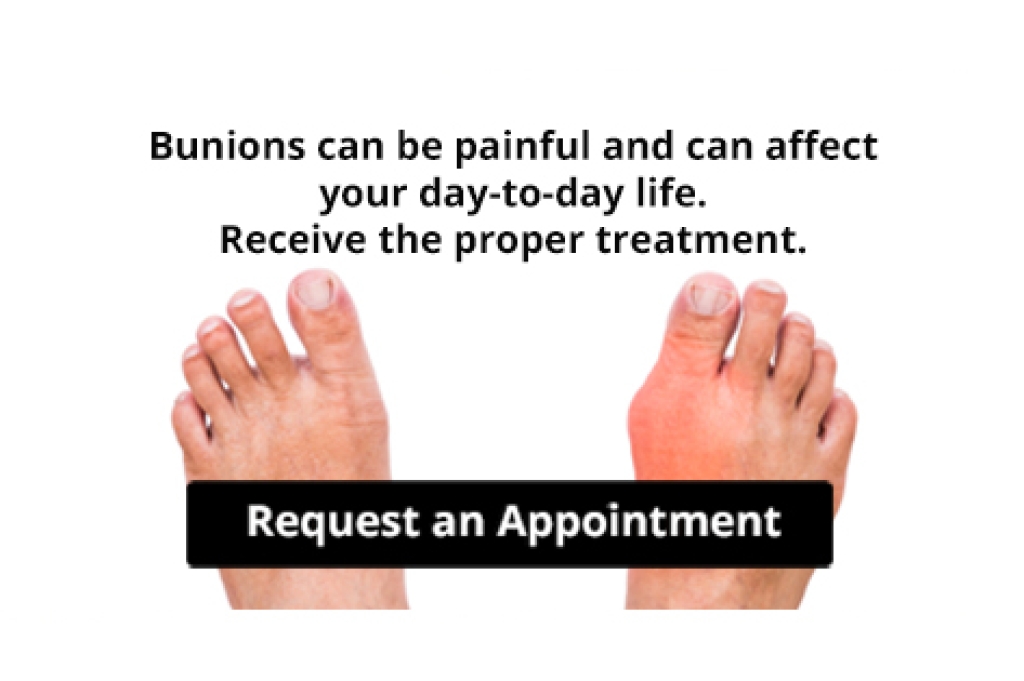
Have you noticed a bony protrusion on the side of your big toe? If so, you may have developed the foot condition known as a bunion. Don't let bunions interfere with your daily activities.
Have you noticed a bony protrusion on the side of your big toe? If so, you may have developed the foot condition known as a bunion. Don't let bunions interfere with your daily activities.
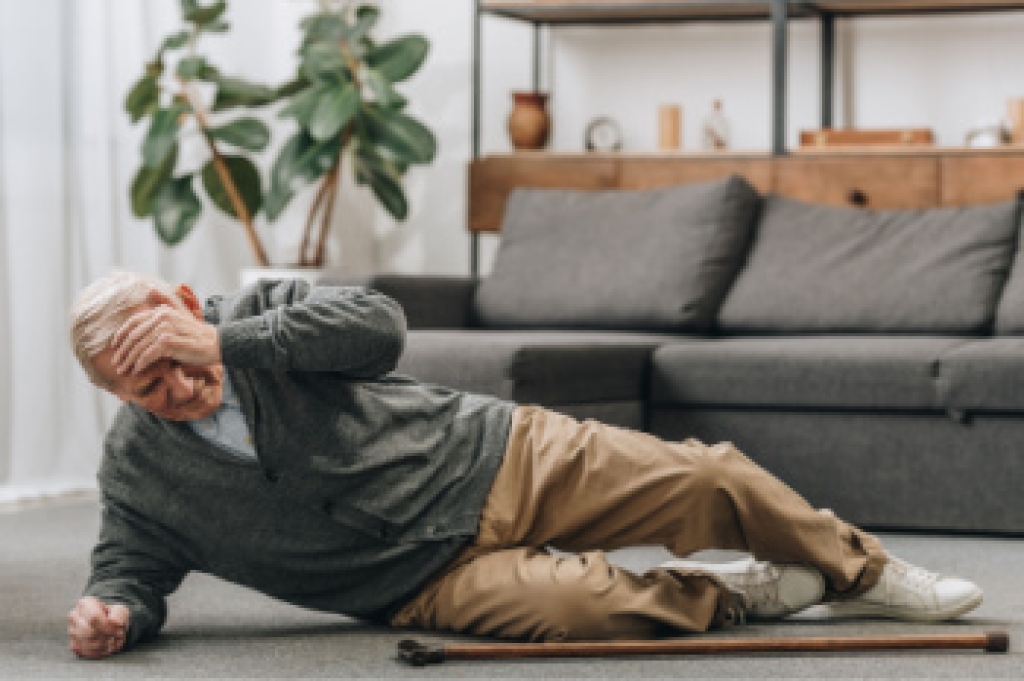
Falling at home is a common concern for older adults and can happen during ordinary daily activities. Several factors can increase risk, including poor lighting, clutter, and reduced stability. Foot and ankle problems may also affect balance. Pain, stiffness, or limited movement can make walking less secure and increase the chance of falling. Simple home adjustments can reduce hazards. Older adults can also keep emergency contacts nearby and use sturdy handrails when needed.
Preventing falls starts with making the home easier and safer to navigate. Remove loose rugs or secure them firmly to the floor. Clear clutter from hallways, stairs, and frequently used rooms. Keep rooms and walkways well lit, especially near bedrooms and bathrooms. Handrails can provide additional support on stairs. Older adults should also wear supportive, properly fitting shoes rather than walking barefoot on slippery surfaces. Regular foot checks can identify problems that may affect comfortable movement. Taking time to stand slowly can help reduce sudden balance changes.
A fall can cause several foot and ankle problems. Common injuries include sprains, bruises, and tendon irritation. Symptoms may include pain, swelling, or difficulty bearing weight. Risk increases with fragile bones, poor balance, and previous falls. After a fall, a podiatrist can examine the feet and ankles for signs of injury. The evaluation may include checking movement, stability, and areas of tenderness. Imaging tests may be ordered when a fracture is suspected. Well-fitting shoes can improve traction and provide a steadier base while moving around the home.
Treatment after a fall depends on the injury and its severity. A podiatrist may recommend rest, supportive footwear, or temporary immobilization. Follow-up appointments can help monitor healing and identify ongoing problems. Do not ignore foot or ankle pain after falling, even if symptoms seem mild at first. If you have fallen at home and have foot or ankle pain, it is suggested that you consult a podiatrist for an accurate diagnosis and appropriate treatment.
Preventing falls among the elderly is very important. If you are older and have fallen or fear that you are prone to falling, consult with John F. Torregrosa, DPM from Florida Ankle & Foot Institute. Our doctors will assess your condition and provide you with quality advice and care.
Every 11 seconds, an elderly American is being treated in an emergency room for a fall related injury. Falls are the leading cause of head and hip injuries for those 65 and older. Due to decreases in strength, balance, senses, and lack of awareness, elderly persons are very susceptible to falling. Thankfully, there are a number of things older persons can do to prevent falls.
How to Prevent Falls
Some effective methods that older persons can do to prevent falls include:
Falling can be a traumatic and embarrassing experience for elderly persons; this can make them less willing to leave the house, and less willing to talk to someone about their fears of falling. Doing such things, however, will increase the likelihood of tripping or losing one’s balance. Knowing the causes of falling and how to prevent them is the best way to mitigate the risk of serious injury.
If you have any questions, please feel free to contact our offices located in Tavernier, Marathon, and Key West, FL . We offer the newest diagnostic and treatment technologies for all your foot care needs.
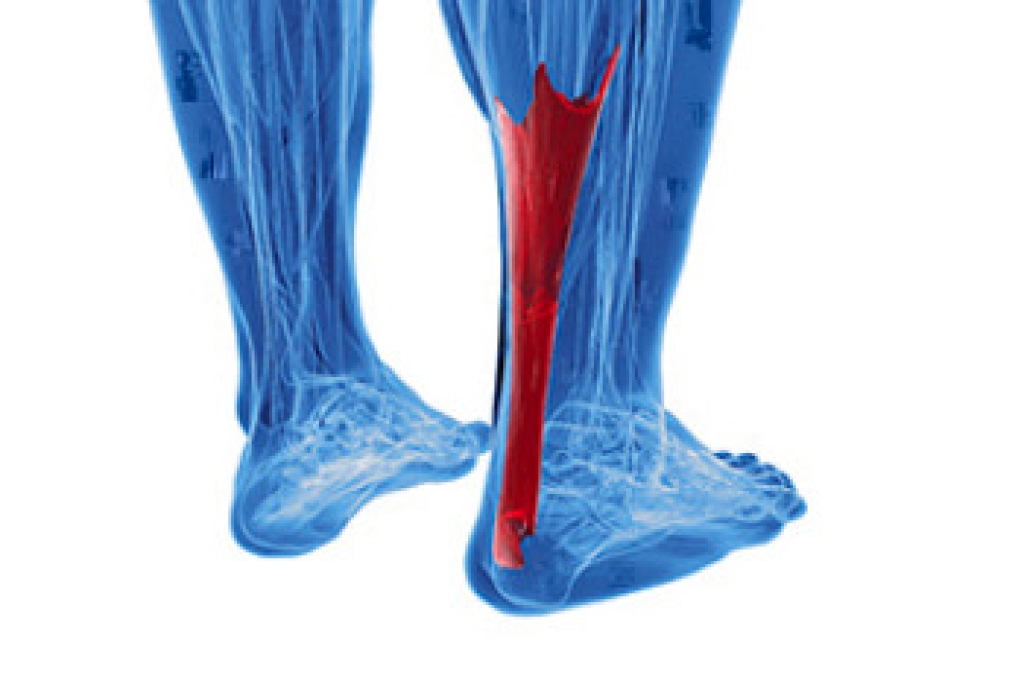
Achilles tendonitis develops when the band connecting the calf muscles to the heel becomes irritated. This tendon helps lift the heel when walking, running, or jumping. Pain can affect the middle of the tendon or the area where it attaches to the heel bone. Symptoms include aching or burning behind the ankle, morning stiffness, and tenderness. Mild swelling can also appear after activity. The discomfort usually begins gradually and can make climbing stairs, running, or pushing off the foot difficult.
Repeated strain is a leading cause of Achilles tendonitis. Runners can develop it after increasing mileage too quickly, adding hills, or changing their routine. Tight calf muscles and limited ankle movement place added stress on the tendon. Risk also rises with age because tendons become less flexible. Flat feet, poor running form, and shoes that lack proper support can contribute to the problem. A bone spur near the heel can rub against the tendon and irritate its attachment. Continuing activity despite pain can worsen the damage and prolong recovery.
A podiatrist can examine the foot and ankle, review how symptoms began, and check the tendon for swelling or tenderness. The examination can reveal problems with foot structure or movement that place extra strain on the area. Imaging tests can help rule out a tear or identify a bone spur. Treatment includes activity changes, heel lifts, or custom orthotics that improve foot alignment. A podiatrist can recommend supportive shoes and prescribe a brace or walking boot when more protection is required. Treatment is based on the location and severity of the irritation and the patient’s activity level. Most patients improve without surgery, but severe tendon damage can require it. Early care can reduce strain and support a safer return to normal activity. If you have symptoms of Achilles tendonitis, it is suggested that you schedule an appointment with a podiatrist for a diagnosis and appropriate treatment.
Achilles tendon injuries need immediate attention to avoid future complications. If you have any concerns, contact John F. Torregrosa, DPM of Florida Ankle & Foot Institute. Our doctors can provide the care you need to keep you pain-free and on your feet.
What Is the Achilles Tendon?
The Achilles tendon is a tendon that connects the lower leg muscles and calf to the heel of the foot. It is the strongest tendon in the human body and is essential for making movement possible. Because this tendon is such an integral part of the body, any injuries to it can create immense difficulties and should immediately be presented to a doctor.
What Are the Symptoms of an Achilles Tendon Injury?
There are various types of injuries that can affect the Achilles tendon. The two most common injuries are Achilles tendinitis and ruptures of the tendon.
Achilles Tendinitis Symptoms
Rupture Symptoms
Treatment and Prevention
Achilles tendon injuries are diagnosed by a thorough physical evaluation, which can include an MRI. Treatment involves rest, physical therapy, and in some cases, surgery. However, various preventative measures can be taken to avoid these injuries, such as:
If you have any questions please feel free to contact our offices located in Tavernier, Marathon, and Key West, FL . We offer the newest diagnostic tools and technology to treat your foot and ankle needs.
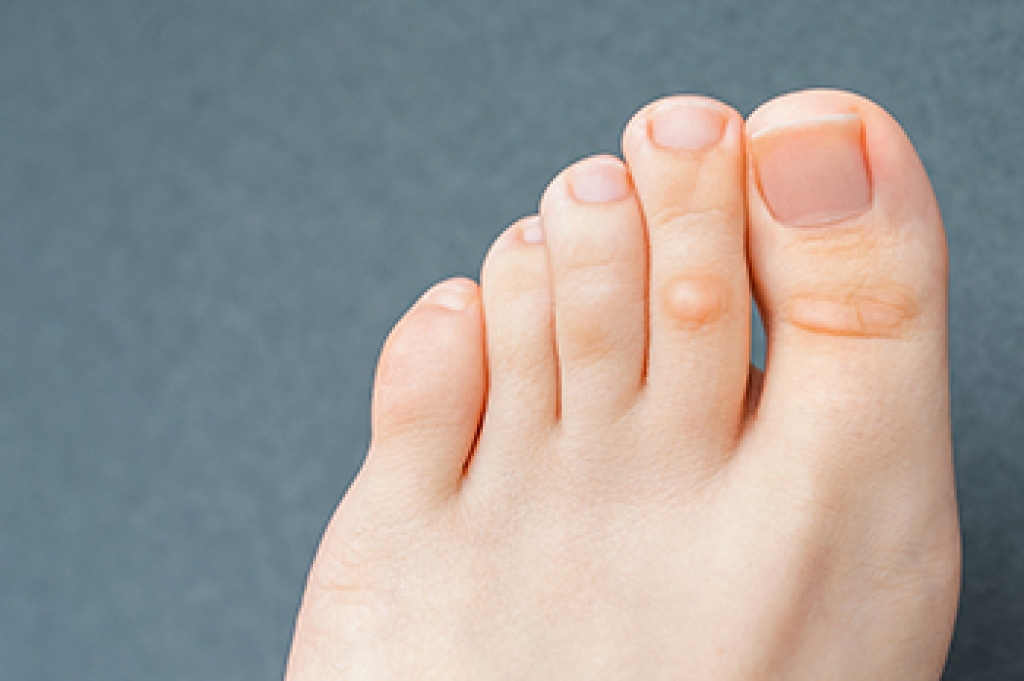
A foot corn is a hard, cone-shaped bump of thickened skin that usually develops on the top surface of a smaller toe over a joint. Corns can also form along the pinky toe, especially where footwear creates repeated pressure. The thickened area develops as the skin protects itself from friction and stress. It can become painful when pressure pushes the hardened center into deeper tissue. Symptoms can include tenderness, aching, and pain while walking or wearing shoes.
The main causes of foot corns are repeated friction and pressure. Tight shoes can press against the toes, while a narrow toe box may force smaller toes into an uncomfortable position. Socks that bunch inside shoes can add rubbing. Toe deformities, including hammertoes, can also place a joint against the inside of footwear. The pinky toe is vulnerable because it can rub against the side of a shoe. People who spend long periods standing or walking may experience greater pressure.
A podiatrist can determine whether a corn is causing your discomfort and check for an underlying toe problem. Treatment may begin with gently removing excess thickened skin when appropriate. Your podiatrist may recommend wider shoes, protective padding, or custom orthotics to reduce pressure. Do not try to remove a corn yourself because this can injure healthy skin and cause an infection.
A painful foot corn should not be ignored. Changing footwear can help reduce pressure, but recurring corns may signal a structural issue that needs attention. A podiatrist can explain why the corn developed and create a treatment plan focused on healing and prevention. Properly fitted shoes can make walking easier while protecting your toes. Foot corns can be painful and may cause difficulty in completing daily activities. If you have a foot corn, it is suggested that you consult a podiatrist for effective relief and treatment solutions.
If you have any concerns regarding your feet and ankles, contact John F. Torregrosa, DPM of Florida Ankle & Foot Institute. Our doctors will treat your foot and ankle needs.
Corns: What Are They? and How Do You Get Rid of Them?
Corns can be described as areas of the skin that have thickened to the point of becoming painful or irritating. They are often layers and layers of the skin that have become dry and rough, and are normally smaller than calluses.
Ways to Prevent Corns
There are many ways to get rid of painful corns such as wearing:
Treating Corns
Treatment of corns involves removing the dead skin that has built up in the specific area of the foot. Consult with Our doctors to determine the best treatment option for your case of corns.
If you have any questions, please feel free to contact our offices located in Tavernier, Marathon, and Key West, FL . We offer the newest diagnostic and treatment technologies for all your foot care needs.
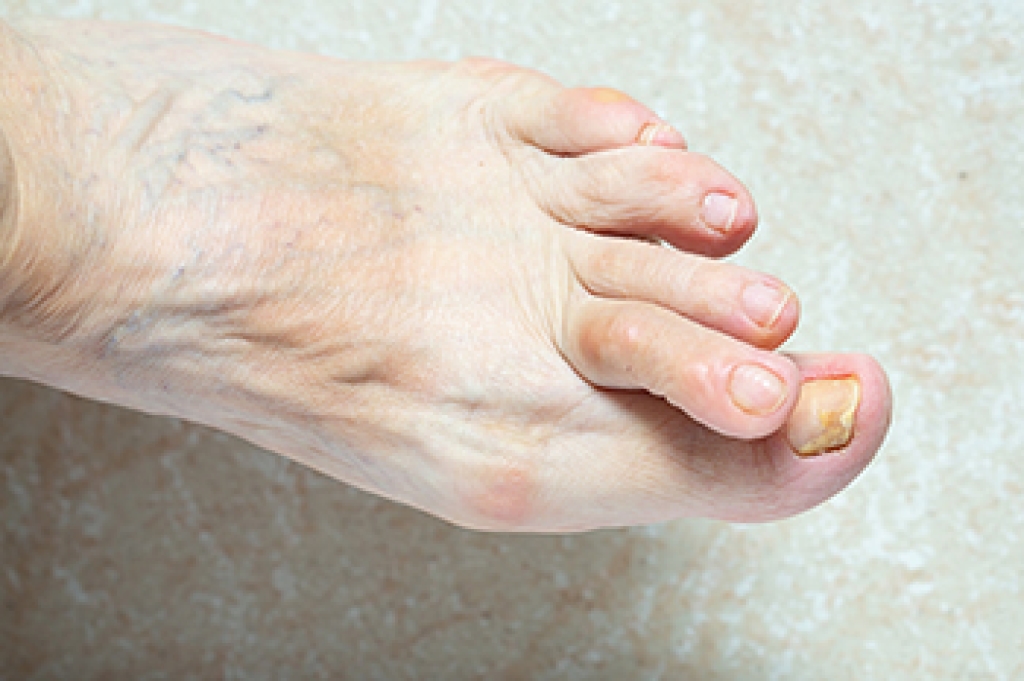
Hammertoe develops when one or more of the smaller toes remain bent instead of pointing forward normally. It usually affects the middle joint of the toe, creating a curled or raised appearance. The condition develops because the muscles and tendons that normally keep the toe straight become unbalanced. Hammertoe may be flexible at first, meaning the toe can still move. Over time, it can become more rigid and difficult to straighten. Shoes that are too tight or narrow can worsen the problem by forcing the toes into a bent position for long periods.
As hammertoe progresses, the bent toe may rub against the inside of a shoe and become irritated. Common symptoms include pain, redness, and swelling around the affected joint. Corns may form on top of the toe where it repeatedly rubs against footwear, while calluses can develop on the bottom of the foot from increased pressure. Some people may also have difficulty finding comfortable shoes or experience pain while walking. Certain foot structures can increase the likelihood of developing hammertoe. The condition may also occur along with other foot problems, including bunions.
A podiatrist can examine the affected toes and determine how flexible or rigid the hammertoe has become. The evaluation may include checking the foot for areas of tenderness and examining how the toes move. X-rays may also be used to examine the bones and joints. Treatment depends on the severity of the hammertoe and how much it affects walking or comfort. When the toe has become rigid, or symptoms are severe, surgery may be considered to correct the position of the toe. A podiatrist can determine which treatment approach is appropriate based on the individual foot structure and symptoms. If a bent toe is causing persistent pain or difficulty walking comfortably, it is suggested that you consult a podiatrist for an evaluation and appropriate treatment options.
Hammertoes can be a painful condition to live with. For more information, contact John F. Torregrosa, DPM of Florida Ankle & Foot Institute. Our doctors will answer any of your foot- and ankle-related questions.
Hammertoe
Hammertoe is a foot deformity that occurs due to an imbalance in the muscles, tendons, or ligaments that normally hold the toe straight. It can be caused by the type of shoes you wear, your foot structure, trauma, and certain disease processes.
Symptoms
Risk Factors
Treatment
If you have hammertoe, you should change into a more comfortable shoe that provides enough room for your toes. Exercises such as picking up marbles may strengthen and stretch your toe muscles. Nevertheless, it is important to seek assistance from a podiatrist in order to determine the severity of your hammertoe and see which treatment option will work best for you.
If you have any questions, please feel free to contact our offices located in Tavernier, Marathon, and Key West, FL . We offer the newest diagnostic and treatment technologies for all your foot care needs.
Connect With Us


