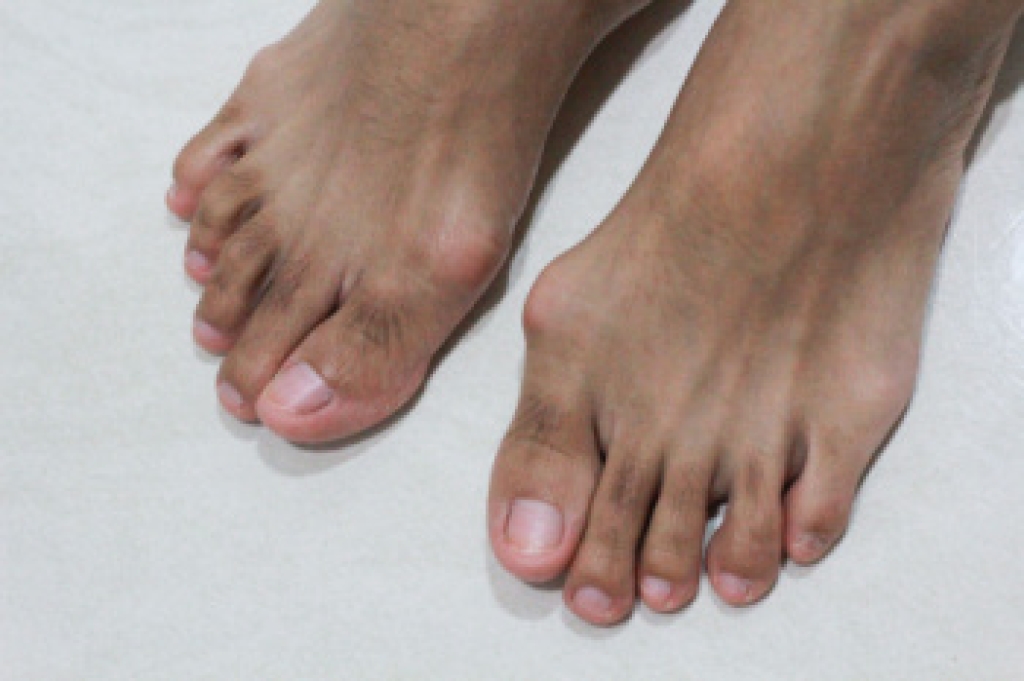
Painful Runner's Toe

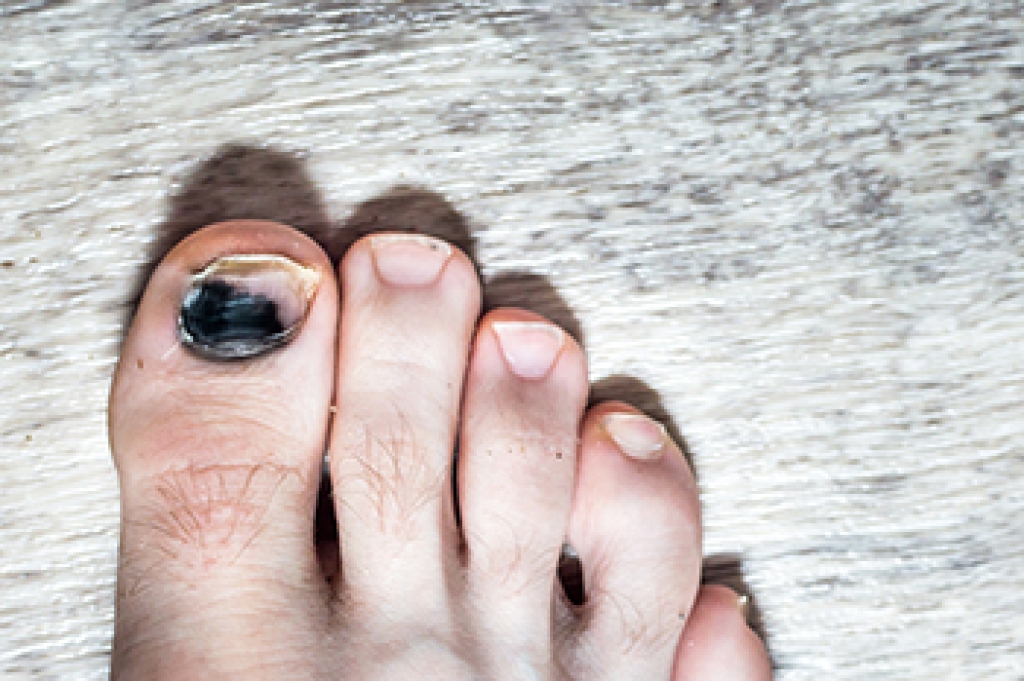
Runner’s toe, also known as black toenail or jogger's toe, is a common condition among runners and athletes. It occurs when the toes repeatedly hit the front of the shoe, causing trauma to the toenail bed. This trauma can lead to bleeding under the nail, resulting in discoloration that looks black or purple and sometimes pain. The main cause of runner’s toe is the repetitive pressure and impact experienced during running or other high-impact activities. Additionally, poorly fitting shoes or shoes that are too tight can increase pressure on the toes. The condition is more prevalent in long-distance runners or those who frequently engage in activities that involve repetitive toe movement. While runner’s toe is typically not a serious medical concern, it can be uncomfortable and may require treatment if pain or infection develops. Proper footwear can help prevent this condition, allowing runners to enjoy their sport without the discomfort of black toenails. If you have toe pain, it is suggested that you contact a podiatrist who can diagnose and treat runner’s toe.

Toe pain can disrupt your daily activities. If you have any concerns, contact one of our podiatrists of Florida Ankle & Foot Institute. Our doctors can provide the care you need to keep you pain-free and on your feet.

What Causes Toe Pain?

Most severe toe pain is caused due to a sports injury, trauma from dropping something heavy on the toe, or bumping into something rigid. Other problems can develop over time for various reasons.

Toe pain can be caused by one or more ailments. The most common include:

  • Trauma
  • Sports injury
  • Wearing shoes that are too tight
  • Arthritis
  • Gout
  • Corns and calluses
  • Hammertoe
  • Bunions
  • Blisters
  • Ingrown toenails
  • Sprains
  • Fractures (broken bones)
  • Dislocations

When to See a Podiatrist

  • Severe pain
  • Persistent pain that lasts more than a week
  • Signs of infection
  • Continued swelling
  • Pain that prevents walking

Diagnosis

In many cases the cause of toe pain is obvious, but in others, a podiatrist may want to use more advanced methods to determine the problem. These can range from simple visual inspections and sensation tests to X-rays and MRI scans. Prior medical history, family medical history, and any recent physical traumatic events will all be taken into consideration for a proper diagnosis.

Treatment

Treatments for toe pain and injuries vary and may include shoe inserts, padding, taping, medicines, injections, and in some cases, surgery. If you believe that you have broken a toe, please see a podiatrist as soon as possible.

If you have any questions please contact our offices located in Tavernier, Marathon, and Key West, FL . We offer the newest diagnostic and treatment technologies for all your foot and ankle needs.


Read more about Toe Pain

The Impact of High Heels on Foot Biomechanics

Wearing high heels can significantly alter the biomechanics of the feet, leading to various effects that extend beyond fashion considerations. The elevation of the heel shifts the body's weight forward, causing increased pressure on the balls of the feet and toes. This can result in discomfort, pain, and even the development of conditions like bunions, hammertoes, and neuromas over time. The arch of the foot is also affected, as high heels can cause it to become overly extended or flattened, potentially contributing to issues such as plantar fasciitis or Achilles tendonitis. Additionally, high heels can affect balance and stability, increasing the risk of ankle sprains or falls. Prolonged wear of high heels may lead to muscular imbalances and changes in gait patterns, further exacerbating foot problems. If you have foot pain and feel it may be coming from frequently wearing high heels, it is suggested that you schedule an appointment with a podiatrist who can offer you relief tips.

High heels have a history of causing foot and ankle problems. If you have any concerns about your feet or ankles, contact one of our podiatrists from Florida Ankle & Foot Institute. Our doctors can provide the care you need to keep you pain-free and on your feet.

Effects of High Heels on the Feet

High heels are popular shoes among women because of their many styles and societal appeal.  Despite this, high heels can still cause many health problems if worn too frequently.

Which Parts of My Body Will Be Affected by High Heels?

  • Ankle Joints
  • Achilles Tendon – May shorten and stiffen with prolonged wear
  • Balls of the Feet
  • Knees – Heels cause the knees to bend constantly, creating stress on them
  • Back – They decrease the spine’s ability to absorb shock, which may lead to back pain.  The vertebrae of the lower back may compress.

What Kinds of Foot Problems Can Develop from Wearing High Heels?

  • Corns
  • Calluses
  • Hammertoe
  • Bunions
  • Morton’s Neuroma
  • Plantar Fasciitis

How Can I Still Wear High Heels and Maintain Foot Health?

If you want to wear high heeled shoes, make sure that you are not wearing them every day, as this will help prevent long term physical problems.  Try wearing thicker heels as opposed to stilettos to distribute weight more evenly across the feet.  Always make sure you are wearing the proper shoes for the right occasion, such as sneakers for exercising.  If you walk to work, try carrying your heels with you and changing into them once you arrive at work.  Adding inserts to your heels can help cushion your feet and absorb shock. Full foot inserts or metatarsal pads are available. 

If you have any questions, please feel free to contact our offices located in Tavernier, Marathon, and Key West, FL . We offer the newest diagnostic and treatment technologies for all your foot care needs.

Read more about Why High Heels Are Not Ideal for Healthy Feet

Managing Diabetic Foot Infections

Diabetic foot infections are a significant concern for individuals with diabetes, often stemming from minor cuts or sores on the feet. These infections, which affect the soft tissue or bone below the ankle, can escalate rapidly and pose a risk of amputation if not managed promptly. They are typically caused by various bacteria, some of which are more challenging to treat. Approaches vary based on the severity of the diabetic foot infection and the patient's overall health. For more severe cases, hospitalization may be necessary, along with intravenous antibiotics. Assessing blood flow in the legs is imperative, particularly for those with circulation issues. Preventive measures play a vital role in reducing the risk of diabetic foot infections, including proper foot care, maintaining stable blood sugar levels, and avoiding smoking. Regular visits to a podiatrist for foot examinations are essential, and patients may benefit from wearing specialized footwear. To address concerns about diabetic foot infections, it is suggested that you include regular appointments with a podiatrist to assess your foot health. 

Diabetic foot care is important in preventing foot ailments such as ulcers. If you are suffering from diabetes or have any other concerns about your feet, contact one of our podiatrists from Florida Ankle & Foot Institute. Our doctors can provide the care you need to keep you pain-free and on your feet.

Diabetic Foot Care

Diabetes affects millions of people every year. The condition can damage blood vessels in many parts of the body, especially the feet. Because of this, taking care of your feet is essential if you have diabetes, and having a podiatrist help monitor your foot health is highly recommended.

The Importance of Caring for Your Feet

  • Routinely inspect your feet for bruises or sores.
  • Wear socks that fit your feet comfortably.
  • Wear comfortable shoes that provide adequate support.

Patients with diabetes should have their doctor monitor their blood levels, as blood sugar levels play such a huge role in diabetic care. Monitoring these levels on a regular basis is highly advised.

It is always best to inform your healthcare professional of any concerns you may have regarding your feet, especially for diabetic patients. Early treatment and routine foot examinations are keys to maintaining proper health, especially because severe complications can arise if proper treatment is not applied.

If you have any questions, please feel free to contact our offices located in Tavernier, Marathon, and Key West, FL . We offer the newest diagnostic and treatment technologies for all your foot care needs.

Read more about How to Care for Diabetic Foot

Causes of a Bunion and How to Manage It

If you have a bump forming at the base of your big toe or experience discomfort while wearing certain shoes, you might be dealing with a bunion. This foot deformity, medically known as hallux valgus, develops gradually due to various factors. Included are genetics, wearing tight or high-heeled footwear, rheumatoid arthritis, or Marfan's syndrome, which causes a loosening of joints. Symptoms of a bunion are a noticeable bump, pain, and redness of the big toe. Corns or calluses, limited toe movement, and a burning sensation or numbness may also occur. While initial treatment involves wearing proper footwear, more severe cases may require custom orthotics, toe spreaders, or surgery. A podiatrist can offer guidance on ways to manage symptoms, prevent further complications, and determine if surgery is needed to realign the toe and alleviate pressure on the joint. If you have a bunion that is causing pain or impeding daily activities, it is suggested that you schedule an appointment with a podiatrist for an exam and treatment options.

If you are suffering from bunions, contact one of our podiatrists of Florida Ankle & Foot Institute. Our doctors can provide the care you need to keep you pain-free and on your feet.

What Is a Bunion?

A bunion is formed of swollen tissue or an enlargement of boney growth, usually located at the base joint of the toe that connects to the foot. The swelling occurs due to the bones in the big toe shifting inward, which impacts the other toes of the foot. This causes the area around the base of the big toe to become inflamed and painful.

Why Do Bunions Form?

Genetics – Susceptibility to bunions are often hereditary

Stress on the feet – Poorly fitted and uncomfortable footwear that places stress on feet, such as heels, can worsen existing bunions

How Are Bunions Diagnosed?

Doctors often perform two tests – blood tests and x-rays – when trying to diagnose bunions, especially in the early stages of development. Blood tests help determine if the foot pain is being caused by something else, such as arthritis, while x-rays provide a clear picture of your bone structure to your doctor.

How Are Bunions Treated?

  • Refrain from wearing heels or similar shoes that cause discomfort
  • Select wider shoes that can provide more comfort and reduce pain
  • Anti-inflammatory and pain management drugs
  • Orthotics or foot inserts
  • Surgery

If you have any questions, please feel free to contact our offices located in Tavernier, Marathon, and Key West, FL . We offer the newest diagnostic and treatment technologies for all your foot care needs.

Read more about Bunions

Get Professional Care for a Broken Foot or Ankle

Constant care and regular evaluation are important for a foot or ankle fracture. If left untreated, foot or ankle fractures can worsen over time and create more serious problems.

Don't wait to be examined if you believe you've experienced a foot or ankle fracture.

Connect With Us