
Custom orthotics, or shoe inserts, should be periodically replaced. Orthotics must fit properly to give you the best results. Protect your feet and ankles!
Custom orthotics, or shoe inserts, should be periodically replaced. Orthotics must fit properly to give you the best results. Protect your feet and ankles!
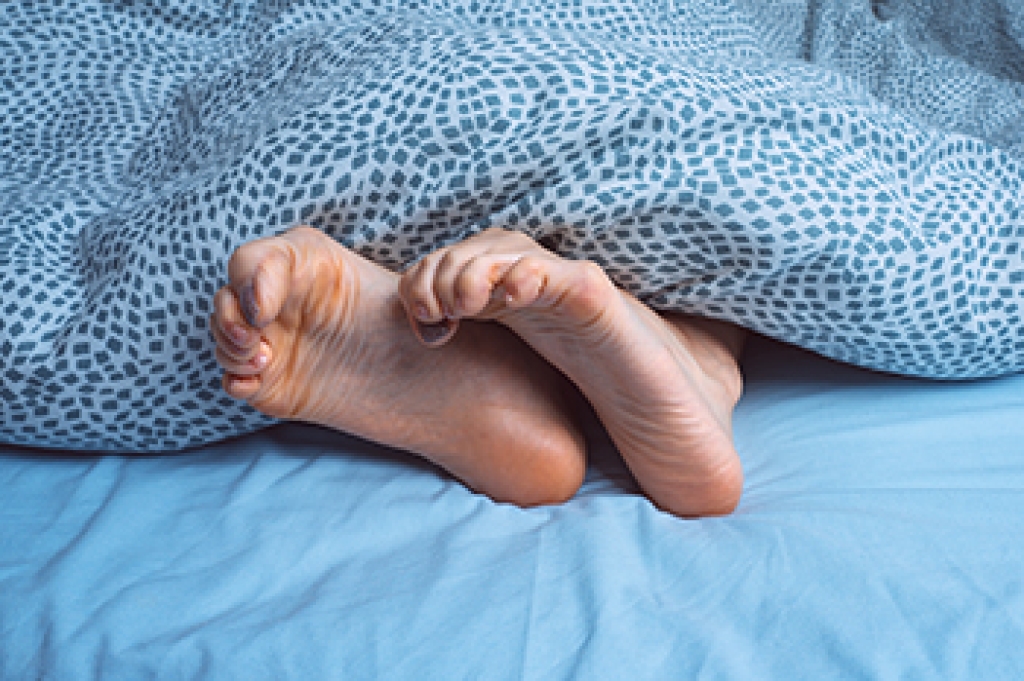
Toe cramps are sudden and involuntary muscle contractions that can cause severe pain and immobility. Cramps in the toes, which occur when muscles contract and fail to relax, commonly occur at night. Toe cramps can be triggered by dehydration, electrolyte imbalance, tight footwear, and prolonged body positions, particularly in high-heat conditions. Underlying health issues like arteriosclerosis, which restricts blood flow to the extremities, can also contribute to toe cramps. Certain demographics, including athletes, older adults, and pregnant women, are more likely to experience recurring cramps due to muscle fatigue, age-related muscle loss, and hormonal changes. Toe cramps are generally treatable through certain lifestyle adjustments, increased hydration, and gentle stretching. However, if they continue or get worse, it is suggested that you schedule an appointment with a podiatrist. This foot doctor is medically trained to perform a detailed exam and health history to determine the underlying cause of this condition. A podiatrist then can offer the appropriate treatment solutions.
Toe pain can disrupt your daily activities. If you have any concerns, contact one of our podiatrists of Florida Ankle & Foot Institute. Our doctors can provide the care you need to keep you pain-free and on your feet.
What Causes Toe Pain?
Most severe toe pain is caused due to a sports injury, trauma from dropping something heavy on the toe, or bumping into something rigid. Other problems can develop over time for various reasons.
Toe pain can be caused by one or more ailments. The most common include:
When to See a Podiatrist
Diagnosis
In many cases the cause of toe pain is obvious, but in others, a podiatrist may want to use more advanced methods to determine the problem. These can range from simple visual inspections and sensation tests to X-rays and MRI scans. Prior medical history, family medical history, and any recent physical traumatic events will all be taken into consideration for a proper diagnosis.
Treatment
Treatments for toe pain and injuries vary and may include shoe inserts, padding, taping, medicines, injections, and in some cases, surgery. If you believe that you have broken a toe, please see a podiatrist as soon as possible.
If you have any questions please contact our offices located in Tavernier, Marathon, and Key West, FL . We offer the newest diagnostic and treatment technologies for all your foot and ankle needs.

When searching for the ideal walking shoes, prioritize comfort and fit above all else. Ensure that your shoes provide adequate support while accommodating the unique shape of your feet. Before shopping for walking shoes, it may be wise to visit a podiatrist for a gait analysis and to see if any foot abnormalities may indicate the need for custom-made orthotics. Look for shoes with cushioning and stability, but don't assume that more cushioning is always better. Instead, opt for a balance that promotes natural foot movement. Try on shoes later in the day when your feet are at their largest. Bring along socks of the thickness you typically wear, and test the shoes by taking a few laps around the store to assess comfort and fit. Ensure there's enough space for your toes to wiggle and that there's at least a finger's width of space between your longest toe and the front of the shoe. For help with foot problems associated with walking, it is suggested that you make an appointment with a podiatrist.
It is important to find shoes that fit you properly in order to avoid a variety of different foot problems. For more information about treatment, contact one of our podiatrists from Florida Ankle & Foot Institute. Our doctors will treat your foot and ankle needs.
Proper Shoe Fitting
Shoes have many different functions. They cushion our body weight, protect our feet, and allow us to safely play sports. You should always make sure that the shoes you wear fit you properly in order to avoid injuries and deformities such as: bunions, corns, calluses, hammertoes, plantar fasciitis, stress fractures, and more. It is important to note that although a certain pair of shoes might be a great fit for someone else, that doesn’t mean they will be a great fit for you. This is why you should always try on shoes before buying them to make sure they are worth the investment. Typically, shoes need to be replaced ever six months to one year of regular use.
Tips for Proper Shoe Fitting
The shoes you buy should always feel as good as they look. Shoes that fit properly will last longer, feel better, and improve your way of life each day.
If you have any questions please contact our offices located in Tavernier, Marathon, and Key West, FL . We offer the newest diagnostic and treatment technologies for all your foot and ankle needs.
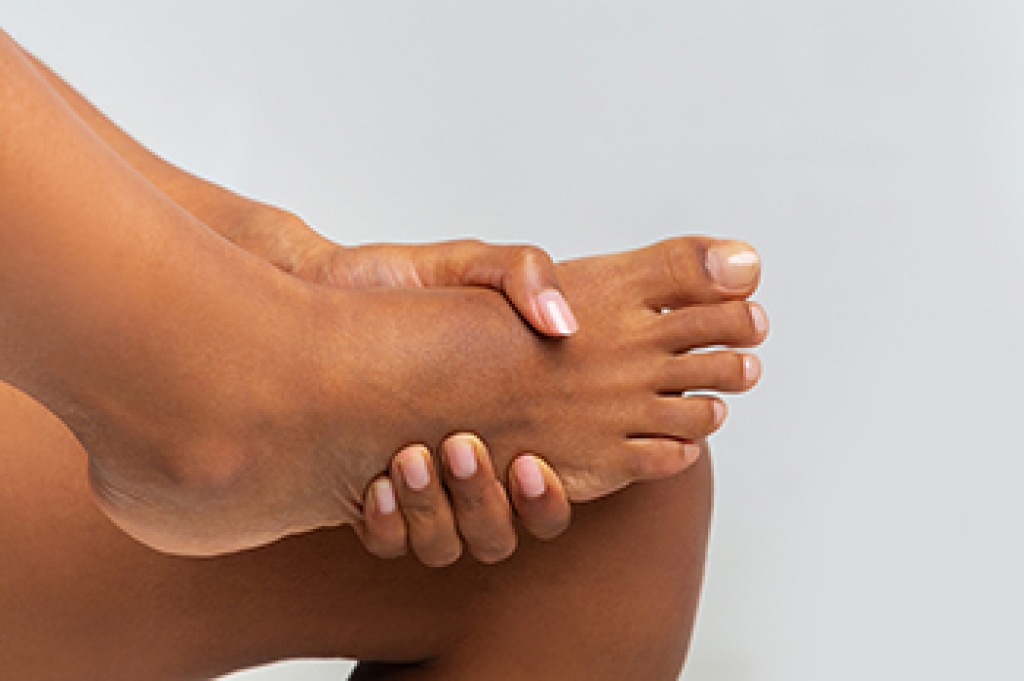
Lateral foot pain, or pain running down the side of the foot, can happen due to various reasons. One common cause is wearing tight shoes that put pressure on the outside of the foot. Another cause could be overuse or a sudden increase in physical activity, leading to strain or inflammation in the muscles or tendons on the side of the foot. Injuries such as ankle sprains or fractures can also result in lateral foot pain. Additionally, conditions like plantar fasciitis, where the tissue on the bottom of the foot gets inflamed, can sometimes cause pain that radiates to the side of the foot. If you are experiencing persistent or worsening lateral foot pain, it is suggested that you schedule an appointment with a podiatrist for a proper diagnosis and treatment.
Foot Pain
Foot pain can be extremely painful and debilitating. If you have a foot pain, consult with one of our podiatrists from Florida Ankle & Foot Institute. Our doctors will assess your condition and provide you with quality foot and ankle treatment.
Causes
Foot pain is a very broad condition that could be caused by one or more ailments. The most common include:
Diagnosis
To figure out the cause of foot pain, podiatrists utilize several different methods. This can range from simple visual inspections and sensation tests to X-rays and MRI scans. Prior medical history, family medical history, and any recent physical traumatic events will all be taken into consideration for a proper diagnosis.
Treatment
Treatment depends upon the cause of the foot pain. Whether it is resting, staying off the foot, or having surgery; podiatrists have a number of treatment options available for foot pain.
If you have any questions, please feel free to contact our offices located in Tavernier, Marathon, and Key West, FL . We offer the newest diagnostic and treatment technologies for all your foot care needs.
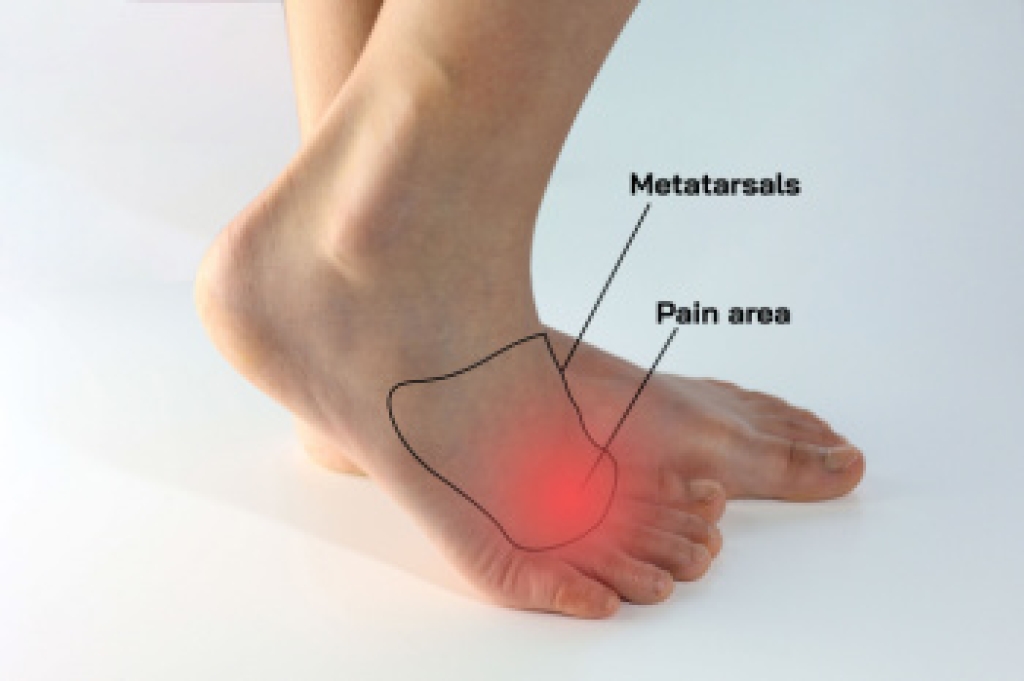
Morton's neuroma is characterized by nerve inflammation or thickening between the metatarsal bones. This condition poses significant discomfort, made worse by wearing ill-fitting shoes or high heels. People with flat feet face an elevated risk of developing Morton’s neuroma because of altered foot mechanics that increase pressure on the nerves. Symptoms of Morton's neuroma include sharp pain between toes and a burning sensation while walking or standing. Numbness, tingling, and inflammation also may be experienced. Diagnostic tools to determine the severity of Morton’s neuroma include musculoskeletal ultrasound, X-rays, and MRIs. Treatment may encompass modifying activity, taking anti-inflammatory medications, and adjusting footwear. A podiatrist may prescribe corticosteroid injections and suggest custom orthotics for additional relief. In some cases, minimally invasive surgical options to remove the neuroma may be necessary. If you are experiencing the above symptoms in the ball of the foot, it is suggested that you make an appointment with a podiatrist for an exam, diagnosis, and treatment options.
Morton’s neuroma is a very uncomfortable condition to live with. If you think you have Morton’s neuroma, contact one of our podiatrists of Florida Ankle & Foot Institute. Our doctors will attend to all of your foot care needs and answer any of your related questions.
Morton’s Neuroma
Morton's neuroma is a painful foot condition that commonly affects the areas between the second and third or third and fourth toe, although other areas of the foot are also susceptible. Morton’s neuroma is caused by an inflamed nerve in the foot that is being squeezed and aggravated by surrounding bones.
What Increases the Chances of Having Morton’s Neuroma?
Morton’s neuroma is a very treatable condition. Orthotics and shoe inserts can often be used to alleviate the pain on the forefront of the feet. In more severe cases, corticosteroids can also be prescribed. In order to figure out the best treatment for your neuroma, it’s recommended to seek the care of a podiatrist who can diagnose your condition and provide different treatment options.
If you have any questions, please feel free to contact our offices located in Tavernier, Marathon, and Key West, FL . We offer the newest diagnostic and treatment technologies for all your foot care needs.
Connect With Us


