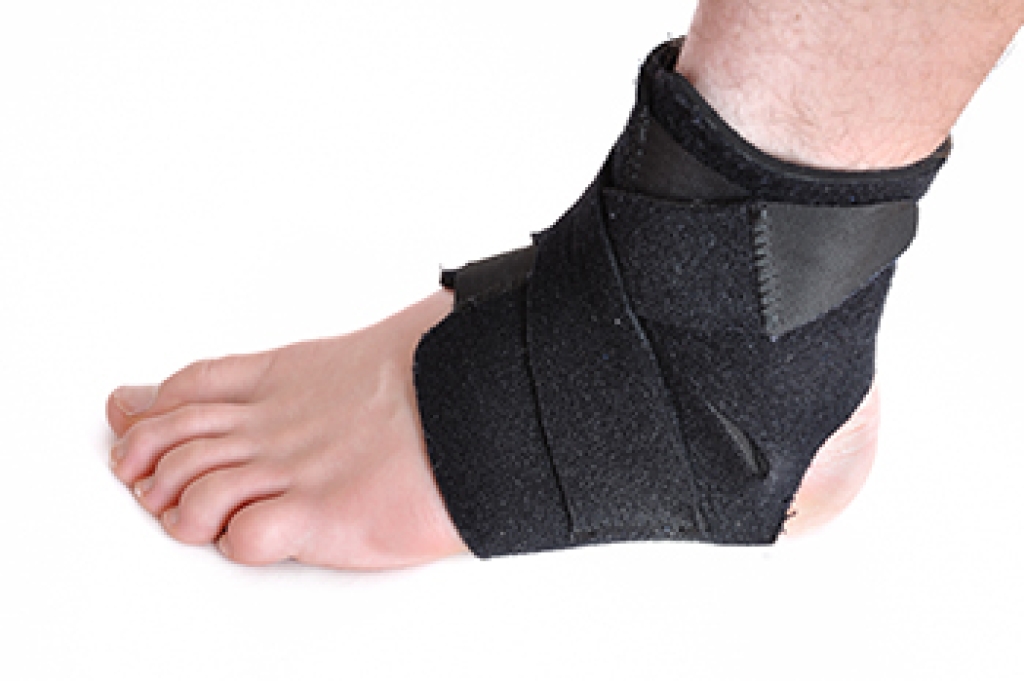
Ankle braces are supportive devices designed to stabilize the ankle joint and limit excessive movement that can lead to injury. They are commonly used for both prevention and recovery, especially in individuals who are active or have a history of ankle instability. Ankle braces come in several forms, including lace up support designs that provide adjustable compression and a secure fit. These braces help maintain proper alignment of the joint while allowing controlled movement, making them an effective tool for protecting the ankle during daily activities and physical exercise.
Symptoms that may indicate the need for an ankle brace include swelling, weakness, and a feeling of instability in the ankle. Individuals recovering from sprains or dealing with chronic conditions such as Achilles tendon injuries often benefit from added support. An ankle brace can help reduce strain on the Achilles tendon by limiting excessive motion and providing gentle compression. This support helps decrease inflammation and promotes a more stable walking pattern, which is essential for healing and long term joint health.
Risk factors that increase the need for ankle support include previous ankle injuries, high impact sports, and wearing poor footwear. Weak ligaments and reduced balance can also contribute to instability. Lace-up ankle braces are particularly helpful because they allow for a customized fit that adjusts to swelling and activity level. These braces provide consistent support throughout movement, helping reduce the risk of re-injury while improving confidence during physical activity.
Using an ankle brace as part of a comprehensive care plan can improve recovery and prevent further injury. It is important to pair bracing with strengthening exercises and proper footwear to support overall foot and ankle health. Early use of supportive devices can make a significant difference in healing outcomes. If you have foot pain and need to wear an ankle brace, it is suggested that you consult a podiatrist to explore appropriate treatment solutions, which may include using orthotics.
If you are having discomfort in your feet and would like to try orthotics, contact John F. Torregrosa, DPM from Florida Ankle & Foot Institute. Our doctors can provide the care you need to keep you pain-free and on your feet.
What Are Orthotics?
Orthotics are inserts you can place into your shoes to help with a variety of foot problems such as flat feet or foot pain. Orthotics provide relief and comfort for minor foot and heel pain but can’t correct serious biomechanical problems in your feet.
Over-the-Counter Inserts
Orthotics come in a wide variety of over-the-counter inserts that are used to treat foot pain, heel pain, and minor problems. For example, arch supports can be inserted into your shoes to help correct overarched or flat feet, while gel insoles are often used because they provide comfort and relief from foot and heel pain by alleviating pressure.
Prescription Orthotics
If over-the-counter inserts don’t work for you or if you have a more severe foot concern, it is possible to have your podiatrist prescribe custom orthotics. These high-quality inserts are designed to treat problems such as abnormal motion, plantar fasciitis, and severe forms of heel pain. They can even be used to help patients suffering from diabetes by treating foot ulcers and painful calluses and are usually molded to your feet individually, which allows them to provide full support and comfort.
If you are experiencing minor to severe foot or heel pain, it’s recommended to speak with your podiatrist about the possibilities of using orthotics. A podiatrist can determine which type of orthotic is right for you and allow you to take the first steps towards being pain-free.
If you have any questions, please feel free to contact our offices located in Tavernier, Marathon, and Key West, FL . We offer the newest diagnostic and treatment technologies for all your foot care needs.


