
What Causes Chronic Ankle Instability?

Chronic ankle instability develops when the outer side of the ankle repeatedly gives way, often following previous sprains that did not fully heal. Over time, weakened ligaments and poor joint support can lead to ongoing problems. Common causes include repeated ankle injuries, improper rehabilitation, and footwear that lacks support. Risk factors include high impact activities, uneven surfaces, and poor balance. Symptoms include frequent turning of the ankle, persistent discomfort, swelling, and a feeling of unsteadiness during movement. A podiatrist can evaluate ligament strength, assess gait, and provide treatment such as bracing, custom orthotics, and strengthening exercises. Early intervention can restore stability and prevent further injury. If you have ankle instability or pain, it is suggested that you promptly consult a podiatrist who can offer effective relief and treatment solutions.

Ankle pain can have many different causes and the pain may potentially be serious. If you have ankle pain, consult with John F. Torregrosa, DPM from Florida Ankle & Foot Institute. Our doctors will assess your condition and provide you with quality foot and ankle treatment.

Ankle pain is any condition that causes pain in the ankle. Due to the fact that the ankle consists of tendons, muscles, bones, and ligaments, ankle pain can come from a number of different conditions.

Causes

The most common causes of ankle pain include:

  • Types of arthritis (rheumatoid, osteoarthritis, and gout)
  • Ankle sprains
  • Broken ankles
  • Achilles tendinitis
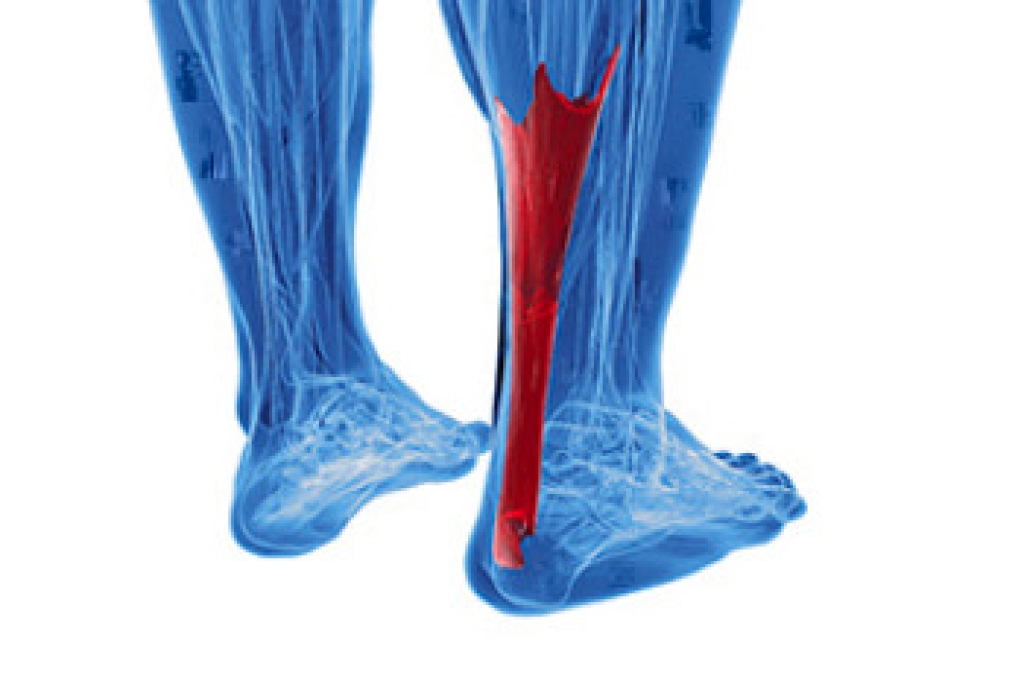
  • Achilles tendon rupture
  • Stress fractures
  • Tarsal tunnel syndrome
  • Plantar fasciitis

Symptoms

Symptoms of ankle injury vary based upon the condition. Pain may include general pain and discomfort, swelling, aching, redness, bruising, burning or stabbing sensations, and/or loss of sensation.

Diagnosis

Due to the wide variety of potential causes of ankle pain, podiatrists will utilize a number of different methods to properly diagnose ankle pain. This can include asking for personal and family medical histories and of any recent injuries. Further diagnosis may include sensation tests, a physical examination, and potentially x-rays or other imaging tests.

Treatment

Just as the range of causes varies widely, so do treatments. Some more common treatments are rest, ice packs, keeping pressure off the foot, orthotics and braces, medication for inflammation and pain, and surgery.

If you have any questions please feel free to contact our offices located in Tavernier, Marathon, and Key West, FL . We offer the newest diagnostic tools and technology to treat your foot and ankle needs.

Read more about Various Causes of Ankle Pain

We Can Treat Your Foot or Ankle Pain

Foot or ankle pain can negatively affect your day-to-day life and can occur due to several different conditions. Pain can also be an indicator of a more serious underlying condition, which is why you should seek professional help as soon as you notice any abnormalities in your feet.

Reasons for Cracked Heels

Cracked heels develop when the skin on the heel becomes dry, thickened, and splits, sometimes leading to pain or bleeding. This often happens when the skin loses moisture and elasticity. Causes include diet deficiencies that affect skin health, use of harsh soaps that strip natural oils, and exposure to cold weather that dries the skin. Additional factors such as being overweight and walking or standing for long periods of time can increase pressure on the heels and worsen cracking. Risk factors include poor hydration, inadequate foot care, and wearing open back shoes. A podiatrist can help by treating damaged skin, recommending proper care, and preventing infection. If you have painful or persistent cracked heels, it is suggested that you consult a podiatrist who can offer appropriate relief tips, which may include prescribed medication.

Cracked heels are unsightly and can cause further damage to your shoes and feet. If you have any concerns, contact John F. Torregrosa, DPM from Florida Ankle & Foot Institute. Our doctors can provide the care you need to keep you pain-free and on your feet.

Cracked Heels

Cracked heels appear unappealing and can make it harder for you walk around in sandals. Aside from looking unpleasant, cracked heels can also tear stockings, socks, and wear out your shoes. There are several methods to help restore a cracked heel and prevent further damage.

How Do You Get Them?

Dry skin is the number one culprit in creating cracked heels. Many athletes, walkers, joggers, and even swimmers suffer from cracked heels. Age and skin oil production play a role to getting cracked heels as well.

Promote Healing

Over the counter medicines can help, especially for those that need instant relief or who suffer from chronic dry feet.

Wear Socks – Wearing socks with medicated creams helps lock in moisture.

Moisturizers – Applying both day and night will help alleviate dryness which causes cracking.

Pumice Stones – These exfoliate and remove dead skin, which allows for smoother moisturizer application and better absorption into the skin. 

Change in Diet

Eating healthy with a well-balanced diet will give the skin a fresh and radiant look. Your body responds to the kinds of food you ingest. Omega-3 fatty acids and zinc supplements can also revitalize skin tissue.

Most importantly, seek professional help if unsure how to proceed in treating cracked heels. A podiatrist will help you with any questions or information needed. 

If you have any questions, please feel free to contact our offices located in Tavernier, Marathon, and Key West, FL . We offer the newest diagnostic and treatment technologies for all your foot care needs.


Read more about Solutions for Cracked Heels

Understanding Chronic Tophaceous Gout

Chronic tophaceous gout is an advanced form of gout that develops when uric acid builds up in the body. The result is hard deposits, called tophi, that form around joints and soft tissues. Uric acid is a natural waste product, but high levels can lead to crystal formation that triggers inflammation, causing swelling, warmth, and severe pain. Over time, these deposits may grow and cause joint damage, stiffness, and reduced movement. They can also press on nearby nerves and affect walking. A podiatrist can diagnose chronic tophaceous gout through imaging or fluid testing, which identifies uric acid crystals. Treatment options include medication to lower uric acid levels and reduce inflammation, as well as care to protect the joints and prevent further damage. In severe cases, surgery may be needed to remove large tophi. If you are experiencing severe pain from gout, it is suggested that you make an appointment with a podiatrist for treatment.

Gout is a painful condition that can be treated. If you are seeking treatment, contact John F. Torregrosa, DPM from Florida Ankle & Foot Institute. Our doctors will treat your foot and ankle needs.

What Is Gout?

Gout is a form of arthritis that is characterized by sudden, severe attacks of pain, redness, and tenderness in the joints. The condition usually affects the joint at the base of the big toe. A gout attack can occur at any random time, such as the middle of the night while you are asleep.

Symptoms

  • Intense Joint Pain - Usually around the large joint of your big toe, and it most severe within the first four to twelve hours
  • Lingering Discomfort - Joint discomfort may last from a few days to a few weeks
  • Inflammation and Redness -Affected joints may become swollen, tender, warm and red
  • Limited Range of Motion - May experience a decrease in joint mobility

Risk Factors

  • Genetics - If family members have gout, you’re more likely to have it
  • Medications - Diuretic medications can raise uric acid levels
  • Gender/Age - Gout is more common in men until the age of 60. It is believed that estrogen protects women until that point
  • Diet - Eating red meat and shellfish increases your risk
  • Alcohol - Having more than two alcoholic drinks per day increases your risk
  • Obesity - Obese people are at a higher risk for gout

Prior to visiting your podiatrist to receive treatment for gout, there are a few things you should do beforehand. If you have gout you should write down your symptoms--including when they started and how often you experience them, important medical information you may have, and any questions you may have. Writing down these three things will help your podiatrist in assessing your specific situation so that he or she may provide the best route of treatment for you.

If you have any questions, please feel free to contact our offices located in Tavernier, Marathon, and Key West, FL . We offer the newest diagnostic and treatment technologies for all your foot care needs.
Read more about Gout

When the Ball of the Foot Becomes Painful

Pain in the ball of the foot, also known as metatarsalgia, causes discomfort beneath the toes where weight is concentrated while walking. The pain may feel sharp, burning, or like stepping on a small object, and it often worsens with activity or prolonged standing. Some patients notice swelling, callus formation, or increased sensitivity in the area. Causes include high-impact activities, improper footwear, high heels, foot shape, or conditions such as nerve irritation or stress on the metatarsal bones. The area may look normal or slightly inflamed but often feels tender to pressure. A podiatrist can assess foot structure, gait, and pressure points to determine the source of pain and may use imaging if needed. Treatment typically includes supportive footwear, cushioning, custom orthotics, and targeted exercises to relieve pressure. If you have pain in the ball of your foot, it is suggested that you make an appointment with a podiatrist.

Foot Pain

Foot pain can be extremely painful and debilitating. If you have a foot pain, consult with John F. Torregrosa, DPM from Florida Ankle & Foot Institute. Our doctors will assess your condition and provide you with quality foot and ankle treatment.

Causes

Foot pain is a very broad condition that could be caused by one or more ailments. The most common include:

  • Bunions
  • Hammertoes
  • Plantar Fasciitis
  • Bone Spurs
  • Corns
  • Tarsal Tunnel Syndrome
  • Ingrown Toenails
  • Arthritis (such as Gout, Rheumatoid, and Osteoarthritis)
  • Flat Feet
  • Injury (from stress fractures, broken toe, foot, ankle, Achilles tendon ruptures, and sprains)
  • And more

Diagnosis

To figure out the cause of foot pain, podiatrists utilize several different methods. This can range from simple visual inspections and sensation tests to X-rays and MRI scans. Prior medical history, family medical history, and any recent physical traumatic events will all be taken into consideration for a proper diagnosis.

Treatment

Treatment depends upon the cause of the foot pain. Whether it is resting, staying off the foot, or having surgery; podiatrists have a number of treatment options available for foot pain.

If you have any questions, please feel free to contact our offices located in Tavernier, Marathon, and Key West, FL . We offer the newest diagnostic and treatment technologies for all your foot care needs.

Read more about Foot Pain

Connect With Us